
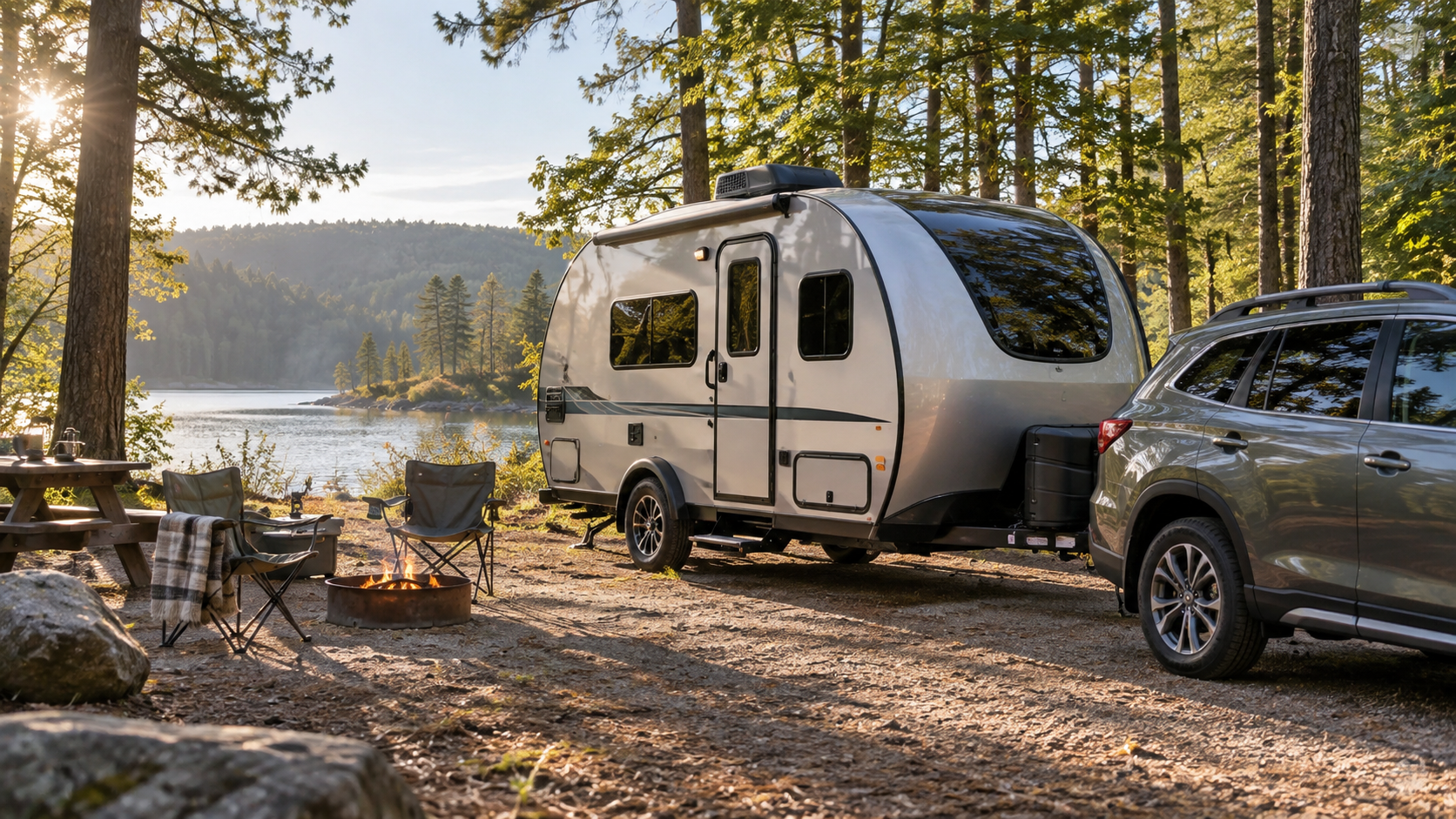
Is the Forest River R-Pod a Good Travel Trailer?
The Forest River R-Pod is a good travel trailer for couples, first-time buyers, and small families who want a lightweight, easy-to-tow camper without sacrificing real amenities. It's built with Azdel composite sidewalls, a one-piece seamless fiberglass roof, and an aluminum frame, which keeps weight down while holding up well to regular use. It's less suited to full-time living or larger families who need more storage and living space.
That's the quick answer. Here's what actually matters when you're deciding if an R-Pod fits how you camp.
What Is the Forest River R-Pod?
The R-Pod is a line of ultra-lightweight travel trailers built by Forest River, recognizable by its rounded, aerodynamic front cap and compact footprint.
Forest River is one of the largest RV manufacturers in North America, based in Elkhart, Indiana, and has been owned by Berkshire Hathaway since 2005. The R-Pod has been part of the lineup for well over a decade and has built a strong following among buyers who want a "tow it with what you already own" type of trailer.
The R-Pod lineup includes a range of floor plans, from compact single-bed layouts to slightly larger models with slide-outs, rear kitchens, and dry baths. There's also an expandable version that adds canvas-sided pop-out sections for extra sleeping space without adding much tow weight. Most R-Pod models are built light enough to be towed by a midsize SUV or half-ton truck, which is a big part of the appeal for buyers who don't want to upgrade their tow vehicle just to get an RV.
What Makes the R-Pod a Good Travel Trailer?
The R-Pod stands out for its low tow weight, durable composite construction, and efficient use of space inside a small footprint.
A few things owners consistently point to:
Easy towing. Dry weights on most R-Pod floor plans stay light enough for a properly equipped half-ton truck or midsize SUV, which opens up ownership to buyers who don't already have a heavy-duty tow vehicle.
Composite wall construction. Azdel sidewalls resist water absorption better than traditional wood-framed walls, which matters a lot for long-term durability in humid climates.
Compact camping flexibility. The smaller footprint makes it easier to fit into tighter campsites, state park spots, and boondocking locations that larger trailers can't access.
Real amenities in a small package. Many floor plans include a queen bed, a functional kitchen, and either a wet or dry bathroom, which is more than some buyers expect from a trailer this size.
For a buyer who wants to start camping without committing to a heavy trailer and a bigger truck, the R-Pod hits a practical sweet spot.
How Is the R-Pod Built, and Does That Construction Hold Up?
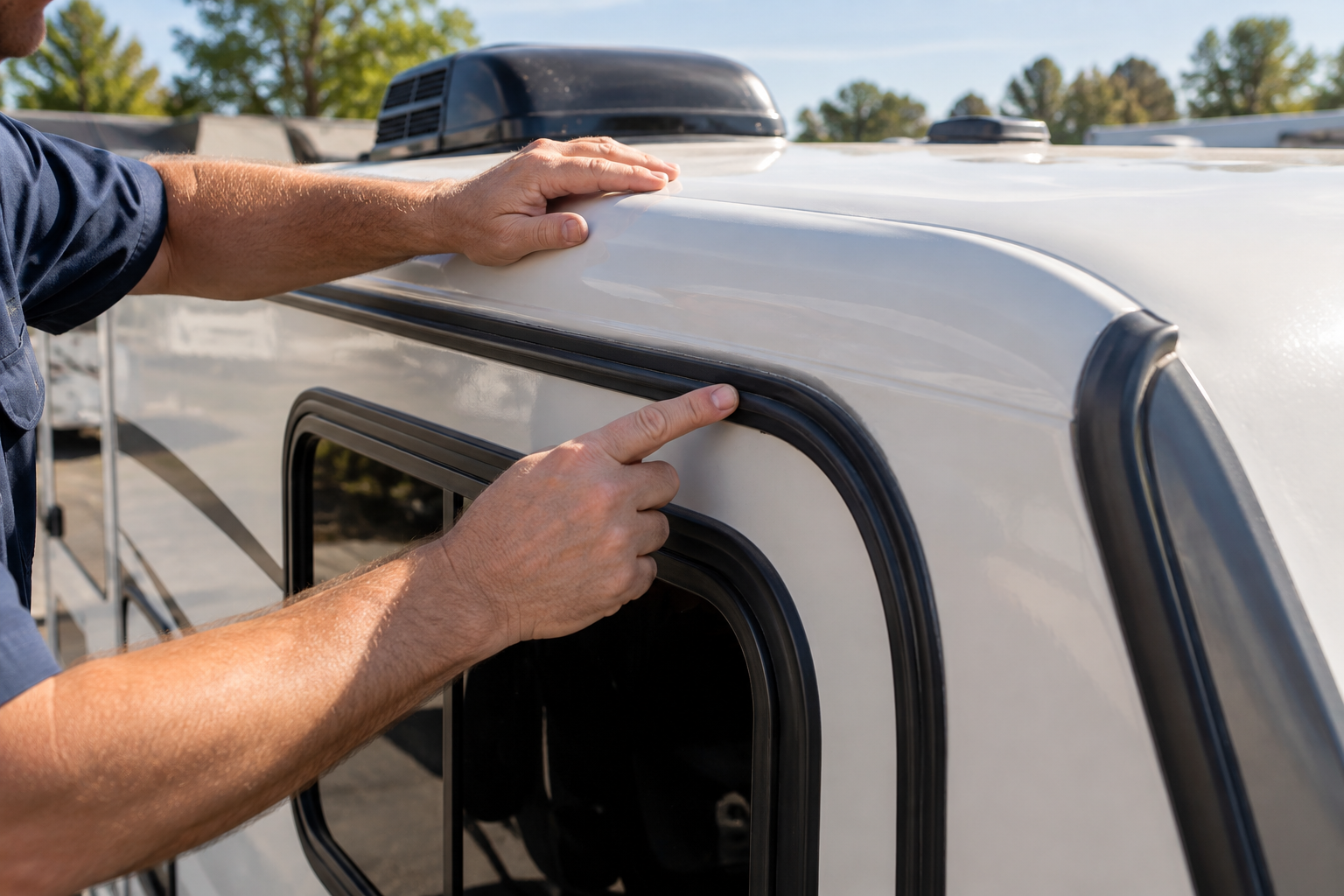
The R-Pod uses a powder-coated steel frame, welded aluminum sidewalls and floor structure, Azdel composite exterior walls, and a one-piece seamless fiberglass roof, a combination built to resist water intrusion and reduce long-term maintenance compared to older wood-framed construction methods.
Here's why each of those choices matters in practice:
Azdel composite walls. Unlike wood-framed sidewalls, Azdel doesn't absorb and hold moisture, which lowers the risk of soft spots, delamination, and rot over time. It also adds a bit of extra insulation value.
One-piece seamless roof. Fewer seams means fewer places for water to find its way in. This doesn't eliminate the need for roof inspections, but it reduces one common failure point found on trailers with multi-piece or heavily-seamed roofing.
Aluminum-framed openings. Doors, windows, and other openings framed in aluminum rather than wood hold their shape better over years of towing vibration and temperature swings.
Steel frame with torsion axle setup (on most models). This type of axle is mounted directly to the frame rather than using leaf springs, which tends to ride smoother and requires less routine maintenance than older leaf-spring setups.
None of this makes the R-Pod maintenance-free. Like any travel trailer, it still needs seasonal roof and seal checks, tire inspections, and routine appliance servicing. But the construction choices Forest River made on this line are aimed directly at the water intrusion and frame durability issues that cause the most problems in lightweight trailers.
Who Is the R-Pod Best For?
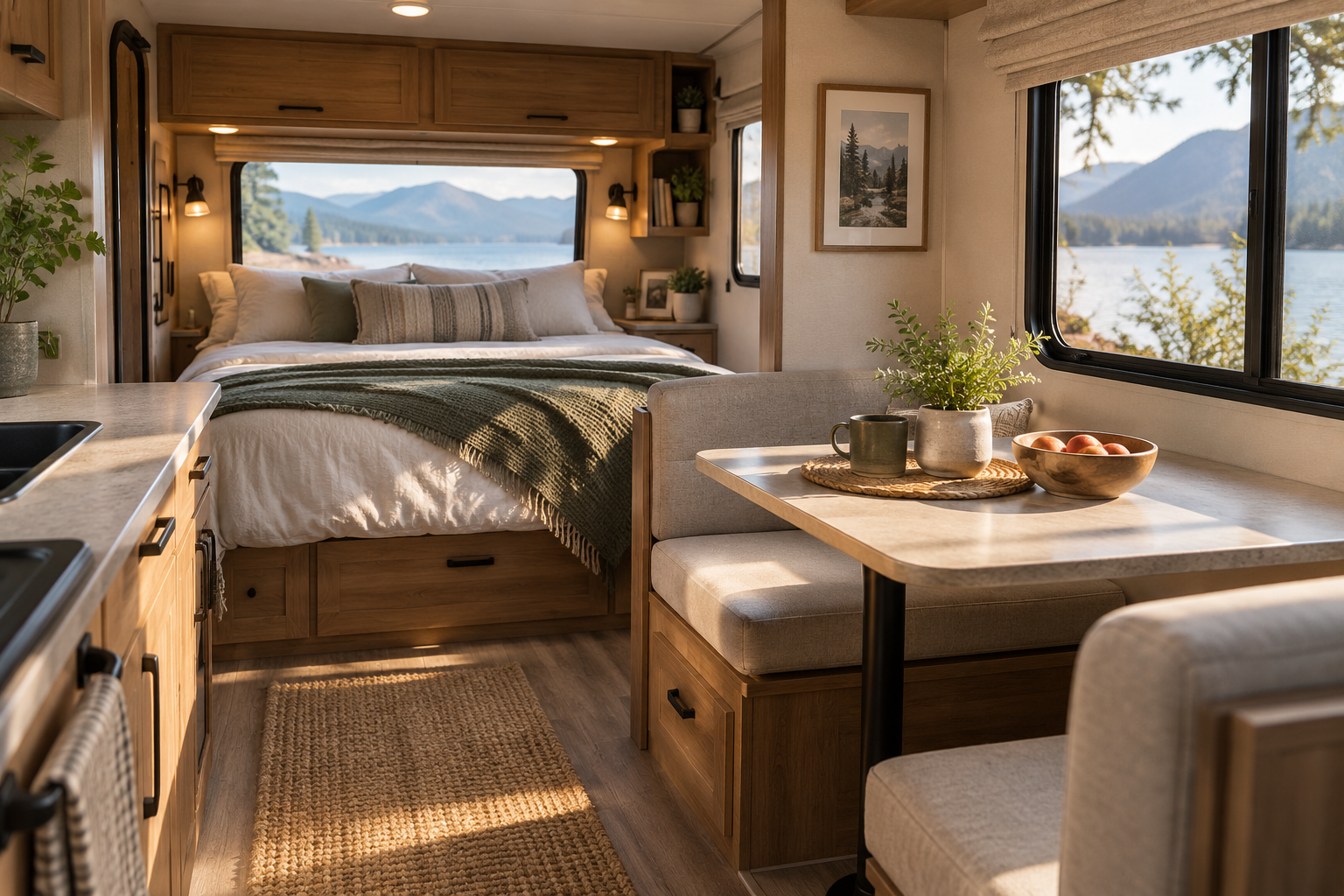
The R-Pod is best for buyers who tow with a midsize SUV or half-ton truck and want a trailer for weekend trips, national park visits, or occasional extended travel rather than full-time living.
The R-Pod is a strong fit if you:
Want a trailer you can tow without upgrading your current vehicle
Are new to towing and want something easier to maneuver and back up
Camp as a couple or small family (most floor plans sleep two to four)
Value easy access to tighter campsites and boondocking spots
Want low-maintenance exterior construction
The R-Pod may not be the best fit if you:
Plan to live in the trailer full-time and need more storage and tank capacity
Need to sleep more than four people comfortably on a regular basis
Want a large residential-style kitchen or separate living area
Are looking for maximum interior storage for long, multi-week trips
Buyers who try to stretch an R-Pod into a full-time home base are usually the ones who end up frustrated, not because the trailer is poorly built, but because it's designed for a different use case. If full-time living is the goal, a larger travel trailer or fifth wheel is usually a better match. You can compare footprints and floor plans across our full travel trailer inventory to see what fits your plans.
Is It Better to Buy a New or Used R-Pod?
Both new and used R-Pods can be solid choices, but they come with different trade-offs worth weighing before you decide.
Buying a new R-Pod means:
Full manufacturer's warranty coverage from day one
The latest floor plans, colors, and standard features
No prior owner wear and tear to inspect for
A higher purchase price than an equivalent used unit
Buying a used R-Pod means:
A lower price point for the same or a similar floor plan
Exterior seals and roof condition become critical inspection points
Warranty coverage may be limited, expired, or non-transferable
The prior owner's maintenance habits directly affect what you're buying
If you're leaning toward a used unit, ask to see maintenance records, inspect the roof seams and window seals closely, and run every appliance before agreeing to a purchase. We inspect every used trailer on our lot before it's offered for sale, and you can browse current listings through our new and used travel trailer inventory page.
What Should You Check Before Buying an R-Pod?
Before buying any R-Pod, new or used, run through this checklist:
Inspect the roof seams and sealant around vents, the antenna, and any roof-mounted equipment.
Check window and door seals for cracking or gaps, since these are common water entry points on any small trailer.
Confirm your tow vehicle's rated capacity against the trailer's loaded weight, not just the dry weight listed on the spec sheet.
Test the slide-out (on models equipped with one) for smooth operation without grinding or resistance.
Run the water heater, furnace, and refrigerator to confirm all appliances function properly.
Check tank capacities against how you actually plan to camp, since smaller trailers have smaller holding tanks.
Ask about cargo capacity, which can get eaten up quickly on a lightweight trailer once you add gear, water, and supplies.
Our tow guides page can help you confirm your specific vehicle is properly rated before you commit to a floor plan.
What Mistakes Do Buyers Make When Choosing a Small Travel Trailer Like the R-Pod?
The most common mistake is underestimating actual cargo capacity and overestimating how much gear and water weight a lightweight trailer can carry once it's loaded for a real trip.
A few other mistakes we see often:
Comparing dry weight to tow capacity without accounting for cargo, water, and passengers. A trailer's dry weight is rarely what you're actually towing down the road.
Assuming "small" means "low maintenance forever." Compact trailers still need the same roof and seal upkeep as larger ones.
Overlooking tank sizes for how they actually camp. A weekend camper has very different tank needs than someone planning week-long boondocking trips.
Skipping the walk-through and demo before buying. Small trailers pack a lot into a tight space, and it's worth confirming the layout actually works for how you move around and sleep.
Matching the trailer to your actual camping style, not just the floor plan photos, is what determines whether an R-Pod feels like the right fit two years down the road.
How Coastal RV Center Can Help You Find the Right R-Pod
As a Forest River dealer, we carry a range of R-Pod floor plans and can walk you through which layout fits your tow vehicle and camping plans before you buy. Every unit on our lot, new or used, goes through a pre-delivery inspection, and our service department is set up to handle routine R-Pod maintenance, from seasonal roof checks to appliance servicing.
If you're deciding between an R-Pod and a larger travel trailer, our team can talk through the trade-offs based on how many people you're camping with and how often you plan to use it. We also offer financing options and accept trade-ins if you're moving up from a current camper.
Browse our current R-Pod inventory online, or contact us to talk through which floor plan fits your setup.
Frequently Asked Questions
Can a half-ton truck or SUV tow a Forest River R-Pod?
Most R-Pod floor plans are built light enough to be towed by a properly equipped half-ton truck or midsize SUV. Exact towing capacity depends on the specific floor plan and your vehicle's rated towing capacity, so it's worth checking the loaded weight of the trailer, not just the dry weight, against your vehicle's tow rating before buying.
How many people can sleep in a Forest River R-Pod?
Most R-Pod floor plans comfortably sleep two to four people, depending on the layout. Expandable models with canvas pop-out sections can accommodate a bit more with the queen bed plus bunk-style sleeping areas. It's best suited to couples and small families rather than larger groups.
Is the R-Pod good for full-time RV living?
The R-Pod isn't typically the best choice for full-time living, since its smaller tanks, limited storage, and compact living space are designed for weekend and extended trips rather than permanent residence. Buyers planning to live in their RV full-time usually do better with a larger travel trailer or fifth wheel with more storage and holding tank capacity.
What is Azdel construction, and why does it matter on the R-Pod?
Azdel is a composite wall material used in the R-Pod's exterior that resists moisture absorption better than traditional wood-framed sidewalls. Because it doesn't soak up water the way wood can, it lowers the long-term risk of soft spots and delamination, which are common failure points in older-style lightweight trailers.
How much does a Forest River R-Pod weigh?
R-Pod dry weights vary by floor plan but generally fall in a lightweight range suited to half-ton trucks and midsize SUVs. Actual towing weight will be higher once you add cargo, water, and gear, so it's important to check a specific floor plan's cargo capacity rather than relying on dry weight alone.
Does the R-Pod hold up well over time?
The R-Pod's composite construction, seamless roof, and aluminum framing are designed to reduce common problems like water intrusion and frame warping. Like any travel trailer, it still needs regular roof, seal, and appliance maintenance to hold up well over years of use.
Final Takeaway
The Forest River R-Pod is a genuinely good travel trailer for buyers who want an easy-to-tow, well-built camper for weekend trips, national park visits, and the occasional longer getaway. Its lightweight composite construction holds up well with routine maintenance, and its compact size opens up camping spots that bigger trailers can't reach. It's not built for full-time living or larger families, but for the buyer it's designed for, it's hard to beat.
If you're trying to decide whether an R-Pod fits your camping style and tow vehicle, stop by Coastal RV Center or browse our current R-Pod inventory online. Our team can walk you through the floor plans in person and help you find the right fit.